
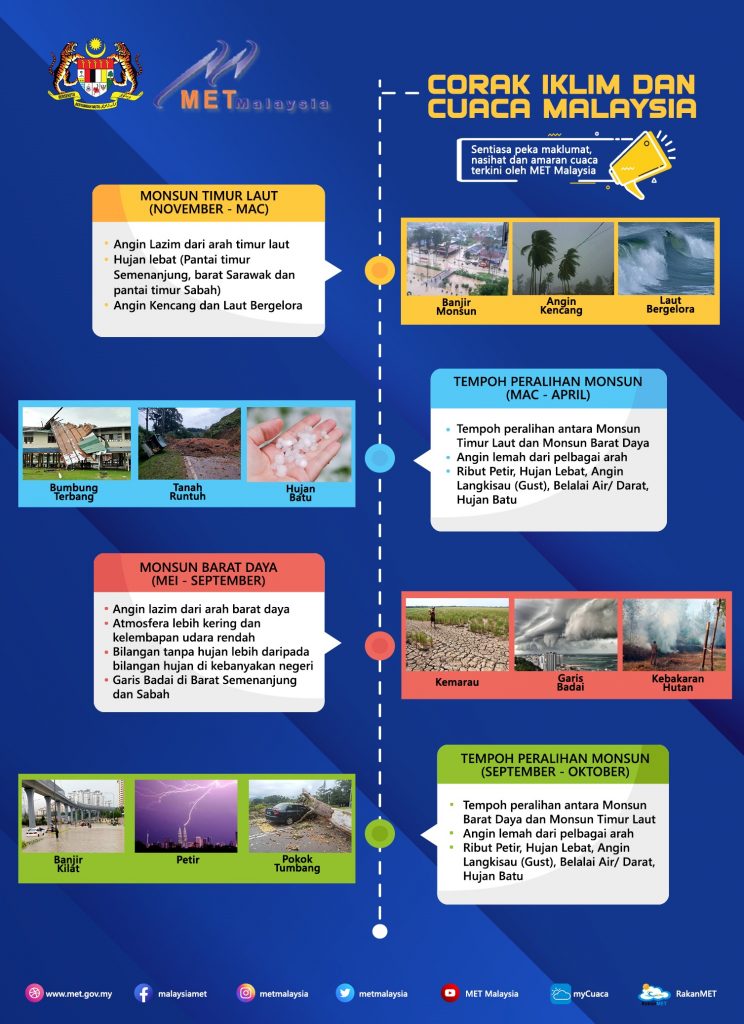
It is the time of the year again. With the northeast monsoon approaching, Malaysians are preparing to face another season of heavy rainfalls and potential floods. As a country in Southeast Asia, Malaysia receives a lot of rainfall annually. In addition to the northeast monsoon, Malaysia also experiences the southwest monsoon, as well as two transitional periods between the monsoons, known as the inter-monsoon season.
During this monsoon and flood season, let’s buckle up and prepare for the worst situation. As they say, better safe than sorry!
Northeast Monsoon Phenomenon in Malaysia
The approaching northeast monsoon is expected to bring heavy rainfall and thunderstorms to Malaysia, predominantly along the east coast of Peninsular Malaysia, as well as in Sabah and Sarawak.
The Malaysian Meteorological Department (MetMalaysia) has forecasted that the upcoming monsoon season will be influenced by a weak La Niña phenomenon and is expected to last from early November to the end of March 2026.
Historically, Malaysia has experienced numerous flood disasters, resulting in loss of life, destruction of facilities, infrastructure, and property. Various factors have contributed to the flood occurrences in Malaysia, including:
- Loss of flood storage as a result of development;
- Inadequate drainage systems;
- Localised continuous heavy rainfall;
- Siltation in waterway channels from indiscriminate clearing operations; and
- Inadequate river capacity.
A stitch in time saves nine
During the monsoon season, it’s best to make preparations to face the worst of the weather, such as flash floods that can occur due to continuous rainfall in certain areas. According to the forecast by MetMalaysia, Malaysia is in the final phase of the inter-monsoon, and the northeast monsoon is expected to happen mid-November.
Sabah is expected to experience above-average rainfall from November until February 2026. Additionally, peak rainfall is expected in December across Kelantan, Terengganu, Pahang, Johor, Sarawak and Sabah. Continuous heavy rainfall could cause potential flooding in low-lying areas and areas prone to flooding.
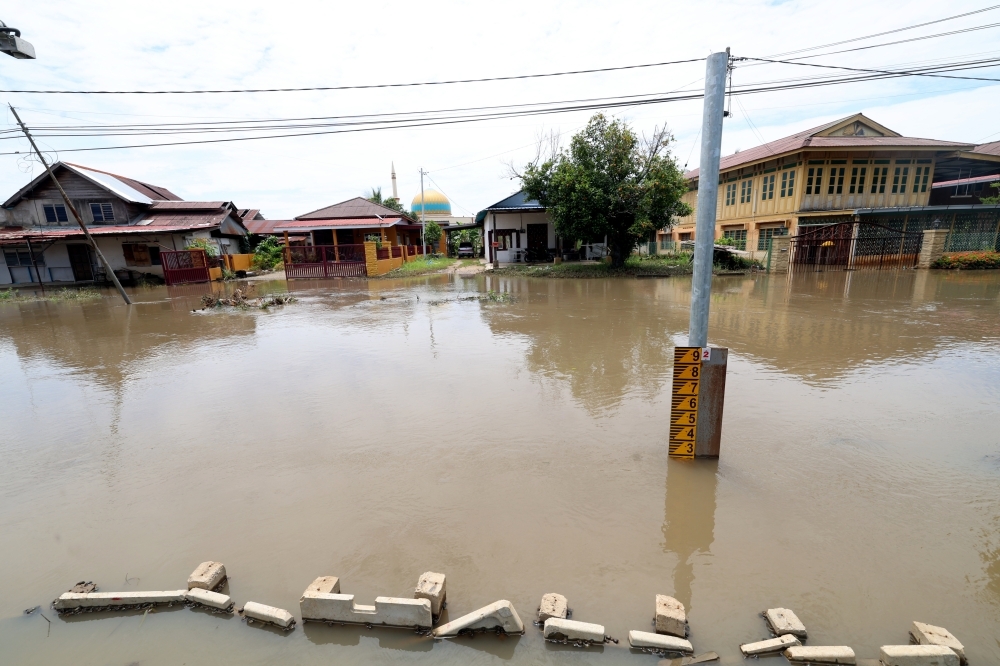
Photo Credit: Bernama
Here are some dos and don’ts tips that you can follow to ensure you are prepared for any flooding emergencies.
Dos during flood season
1) Stay updated and informed
Floods, especially flash floods, can occur very quickly and catch most people off guard. Stay updated with any weather warnings, announcements, or incidents through online platforms, social media, or radio. This will allow you a valuable amount of time to prepare and respond to emergencies.
2) Prepare an emergency kit
Have an emergency kit ready at home in case of an emergency. The kit should include:
- At least 2 to 3 days’ supply of bottled water
- Canned ready-to-eat food
- A list of emergency contacts, in case your phone runs out of battery
- Power bank and charger
- Essential medications and first aid kits
- Battery-operated torchlights (and extra batteries)
- Important documents (e.g., birth certificates, insurance policy, passport) in a waterproof bag
- Spare keys for your home and car
3) Make evacuation and communication plans with your family Prepare an evacuation plan early, and together with your family, especially if you are at risk of severe floods. Look for the nearest evacuation centres, and plan where to go and what to do in case any of you or your family members are separated.
4) Prepare your household for a flood
Consider buying sandbags to block or divert water from entering your home. This can reduce the damage to your household from floodwater.
Purchasing flood insurance is also a good step if your house is prone to flooding. Additionally, ensure that you switch off the main electric supply before leaving your house to reduce the risk of electrocution.
5) Listen to the authorities
Should you be directed to evacuate your areas, please follow the directions provided by the authorities.
Don’ts during flood season
1) Don’t play with floodwater
It is very tempting to play in the floodwater, especially for children. However, floodwater poses a significant risk due to the potential for contracting waterborne diseases.
Some places might encounter a situation where the floodwater is clear. However, it does not ensure that the water is free from bad microorganisms that could cause diseases such as vomiting, high fever, and diarrhoea.
2) Don’t turn on electrical appliances
During a flood or upon returning home, don’t turn on electrical appliances to avoid the risk of electrocution.
3) Don’t consume food and drink affected by floodwater
Floodwater is very likely to be contaminated and could cause various diseases.
4) Avoid going to flood-prone areas for the time being
If you are planning to take a trip somewhere during this monsoon season, try as much as possible to avoid flood-prone areas. Stay alert and keep up-to-date on any news related to the locations you plan to visit.
5) Do not leave the evacuation centers until you receive confirmation from the authorities
6) Upon returning home after the flood hits, ensure safety during the cleaning process
Take precautionary steps:
- Wear boots, gloves and long pants
- Open windows and doors to encourage ventilation
- Wash and disinfect cooking and eating utensils
Ouch! invites Malaysians, especially those in flood-prone areas, to be cautious and make the best preparations to face the impending Northeast Monsoon, which is accompanied by bad weather and flash floods. With unpredictable weather conditions, make sure you also take care of your health. You can follow the tips shared by Ouch! and share them with friends and family to jointly take precautions and protect the safety of yourselves, your families, and your property.
Disclaimer: The information in our blog articles and provided by our brand ambassadors/KOLs is for general insights only and not legally binding. We strive for accuracy but cannot guarantee the information’s completeness or reliability. For legal matters, consult official documents or contact an authorised Ouch! representative.